
Maricopa and Pinal County Termite Inspections
Enjoy having a termite-free home in just a few simple steps.

Step 1

Step 2

Step 3

Step 4
Termite Solutions for the Greater Phoenix Area and Pinal County
If you are looking for the best termite control solutions in the Greater Phoenix Area and Pinal County, consider asking about our treatments with Premise SC and Termidor. We use high-quality products designed to effectively target and eliminate termite infestations.
Premise SC and Termidor are trusted termite control solutions that provide long-lasting protection by targeting termites at their source. These treatments disrupt termite activity, effectively eliminating existing colonies and preventing future infestations.
Unlike some natural or alternative methods, these products are highly effective against both drywood termites and subterranean termites, which are prevalent in Arizona’s desert environment. With these proven solutions, you can protect your property with confidence.
Termite Species in the Greater Phoenix Area and Pinal County
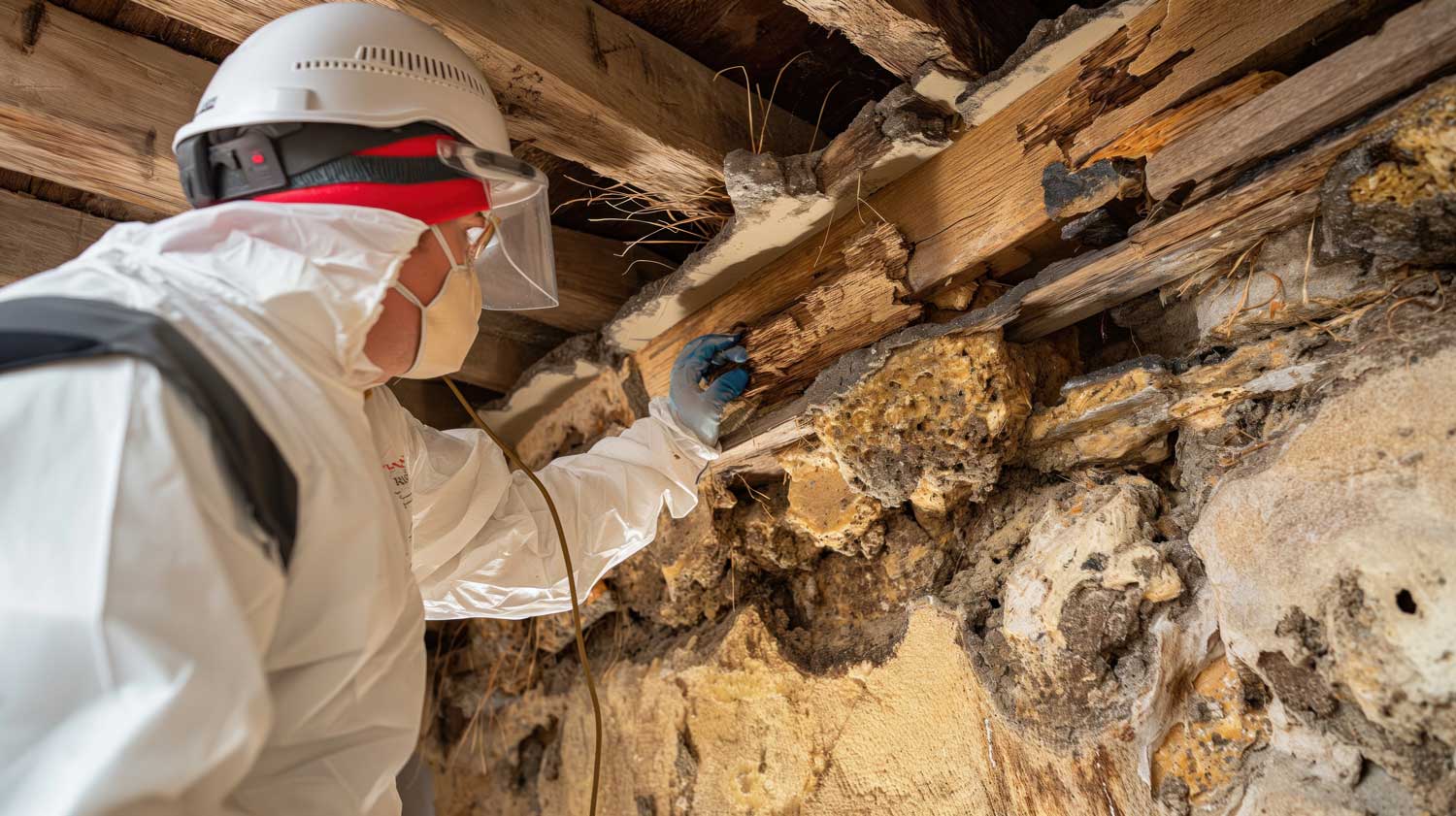
In Arizona’s desert environment, homeowners and business owners commonly encounter different types of termites, with subterranean and drywood varieties being the most prevalent in the Greater Phoenix Area and Pinal County. While both species can cause significant structural damage, there are notable differences in how they thrive and where they nest. Drywood termites, for instance, can colonize directly within wood without needing contact with soil, whereas subterranean termites typically rely on the moisture found in soil, creating intricate mud tubes that connect their underground nests to aboveground food sources.
When Are Termites the Worst?
Termites tend to swarm and establish new colonies based on seasonal factors like temperature, rainfall, and humidity. In Arizona, termite activity often intensifies during warmer months and after the monsoon season, when conditions provide the right balance of moisture and heat. Swarms often resemble large groups of winged ants, causing confusion for many property owners. During this time, female termites leave their original colonies in search of suitable mates and nesting locations. When these swarms successfully settle, they can form multiple colonies in a relatively small area, increasing the risk of property damage if not promptly addressed.
By staying informed about the termite species common in the Greater Phoenix Area and Pinal County and knowing when they are most likely to become active, you can take proactive steps to protect your home or business. Early detection and prompt treatment are key to minimizing damage and ensuring long-term peace of mind.

Termite Species in the Greater Phoenix Area and Pinal County
Staying informed about the various termite species and their nesting habits is crucial for protecting your property in the Greater Phoenix Area and Pinal County. By understanding what attracts these pests and taking preventive measures, you can help preserve the safety and longevity of your home or business.
Subterranean Termites
Subterranean termites build extensive underground networks, using mud tubes to safely reach their food sources. Thanks to powerful jaws, they can chew through cellulose-based materials 24 hours a day. Their taste for constant consumption poses a severe risk to homes and businesses.
To deter subterranean termites, property owners should promptly address moisture issues near foundations, keep mulch and firewood away from buildings, and maintain proper indoor humidity levels. With colonies reaching into the millions, a neglected infestation can result in significant structural damage and costly repairs.

Formosan Termites
Among the termite populations found in the Greater Phoenix Area and Pinal County, Formosan termites stand out for their aggressive nature and destructive potential.
Although they belong to the subterranean family, once Formosan termites establish themselves indoors, they can continue thriving without direct soil contact. This adaptability makes them an especially troublesome threat to local properties.

Dampwood Termites
Dampwood termites, true to their name, favor wood with a high moisture content, such as damp or decaying lumber. Water-damaged areas, leaky pipes, and wood that makes contact with the ground can invite these larger-than-average termites into a property.
Once inside, they quietly hollow out essential supports, often going unnoticed until the damage is extensive. Unlike other species, dampwood termites do not rely on mud tubes and may conceal their entry points with their own waste, making detection even more challenging.

Drywood Termites
Drywood termites seek out dry, low-moisture lumber, infiltrating everything from structural beams to wooden furnishings without needing the soil for survival. Their colonies begin when a mating pair finds suitable wood and seals themselves inside, creating a protected chamber for egg laying.
As the resulting nymphs mature, they excavate an intricate network of tunnels through the wood’s grain. Over time, these galleries weaken the integrity of a home’s structural elements and prized belongings.
Clients We Serve
Monasmith Home & Termite Inspection
(831) 737-5543
ASHI and InterNACHI Certified
Licenses
Operator 13465
Company Registration PR 8101